Adapt
UX Case Study
Winter 2026, Figma, Canva
Adapt aims to make fitness accessible for bodies that don’t fit the “always healthy” idea by solving the problem of one size fits all workout apps. It allows users to adjust workouts in real time based on pain, energy, and mobility, tracks recovery as meaningful progress, and validates rest and modification as success creating a safer, more inclusive, and sustainable way to stay active despite injury or chronic pain.

The Problem:
Fitness apps often treat pain as a failure state rather than a daily reality. By designing for an idealized, pain free body, these apps unintentionally exclude users with injuries or chronic conditions leading to guilt, fear of re-injury, and abandonment of movement altogether. This case study explores how a pain aware, recovery first fitness experience can make movement safer, more inclusive, and sustainable.
Research
Fitness apps have seen explosive growth, driven by rising health consciousness, smartphone/wearable adoption, and the pandemic's shift to home workouts.
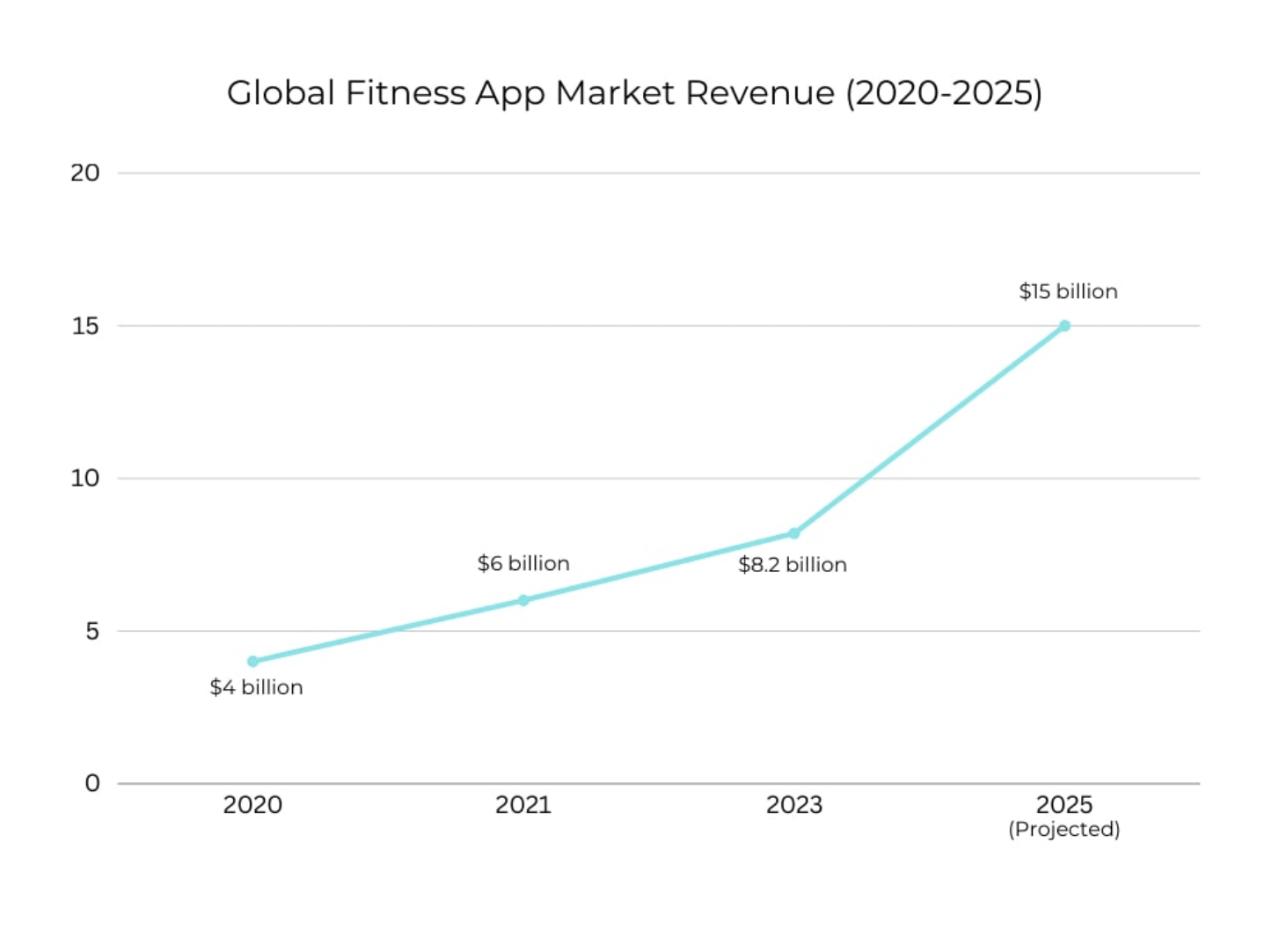
The global fitness app market was valued at $8.1 billion in 2023 and is projected to reach $19.3 billion by 2030, growing at a CAGR of 17.6%.
The most popular fitness apps generate over $100 million in annual revenue.
The target audience for fitness apps includes millennials (60%), Gen Z (25%), and older adults (15%).
Core Features
Limitations
Competitive Analysis
Nike Training Club (NTC)
Traditional Fitness
Guided workouts; categorized programs; video coaching.
While many fitness apps excel at tracking workouts and optimizing performance, few are designed for bodies that experience injury, chronic pain, or fluctuating ability leaving users without a fitness experience that adapts in real time, prioritizes recovery, and treats accessibility as a core feature.

Fitbod
Strength Training / Personalized Plan
Assumes able body; limited real time adaptation for pain; success equals completion/effort.
AI-generated workouts based on goals and available equipment.
Guided workouts; categorized programs; video coaching.
Aaptiv
Audio Coaching
Audio led classes with trainer cues; wide variety of workouts.
Guided workouts; categorized programs; video coaching.
Interviews
To better understand how people with injuries or chronic pain use fitness technology, I interviewed participants with varying levels of mobility and recovery. We discussed movement habits, the impact of pain on consistency, and gaps in current fitness apps, with the goal of identifying opportunities for a more adaptive, inclusive fitness experience that supports recovery and long-term engagement.
“Some days my knee hurts, and I just can’t do the full workout. There should be a way to adjust it without feeling like I can’t do it.”
“I want to stay active even on bad days, but most apps just tell me to push through, which makes me anxious about hurting myself.”
“I am a retired athlete and have bad knees so sometimes I wish apps had alternative workouts for me that is less on my knees.”
“It would be great if the app could track my recovery too, not just what I do, so I know I’m making progress even when I rest.”
Key Insights
Desire for Alternative Exercises
Need for Adaptive Workouts
Fear of Re-injury
Inclusivity and Accessibility Gaps
Recovery as Progress
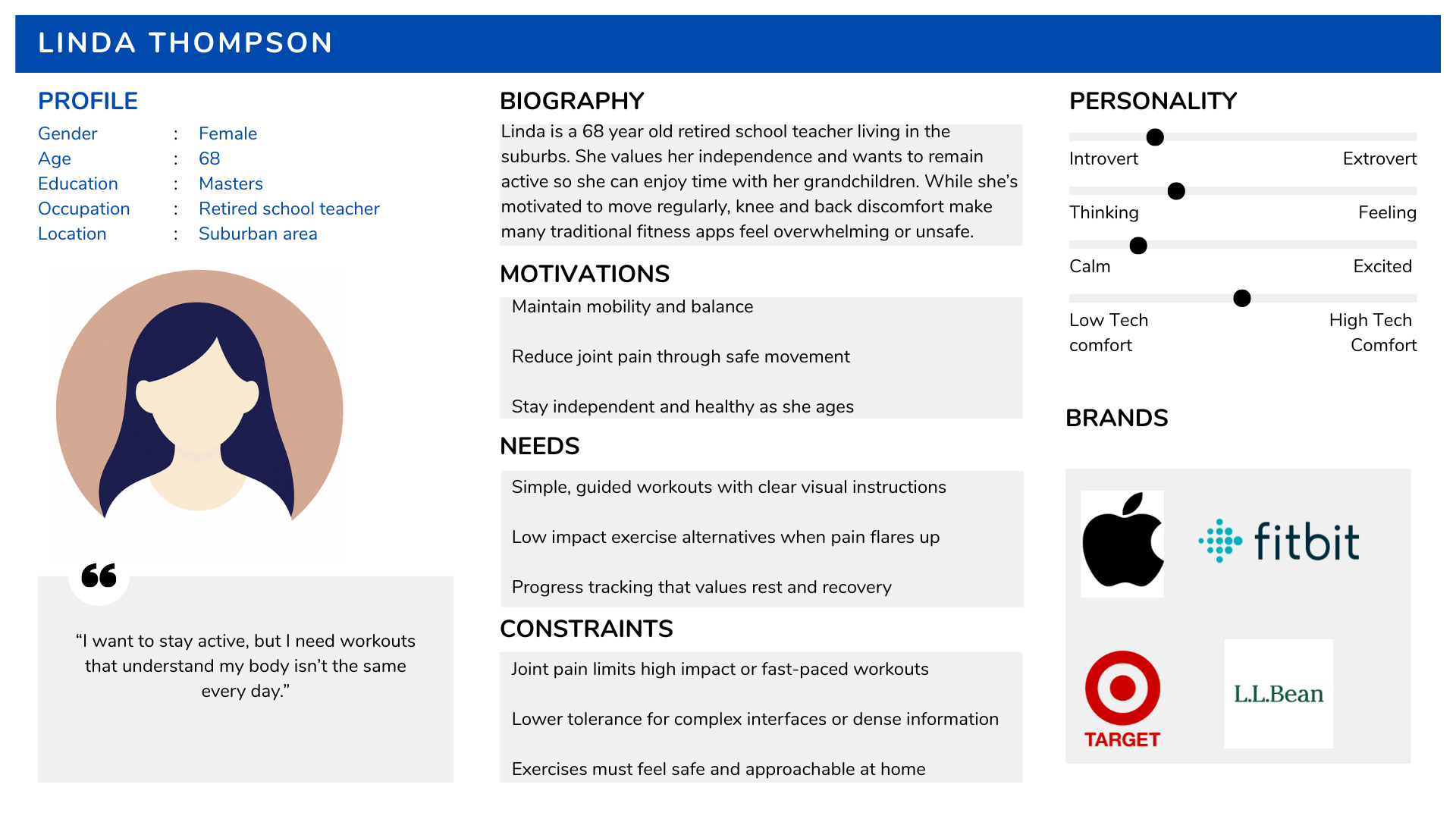
User Personas
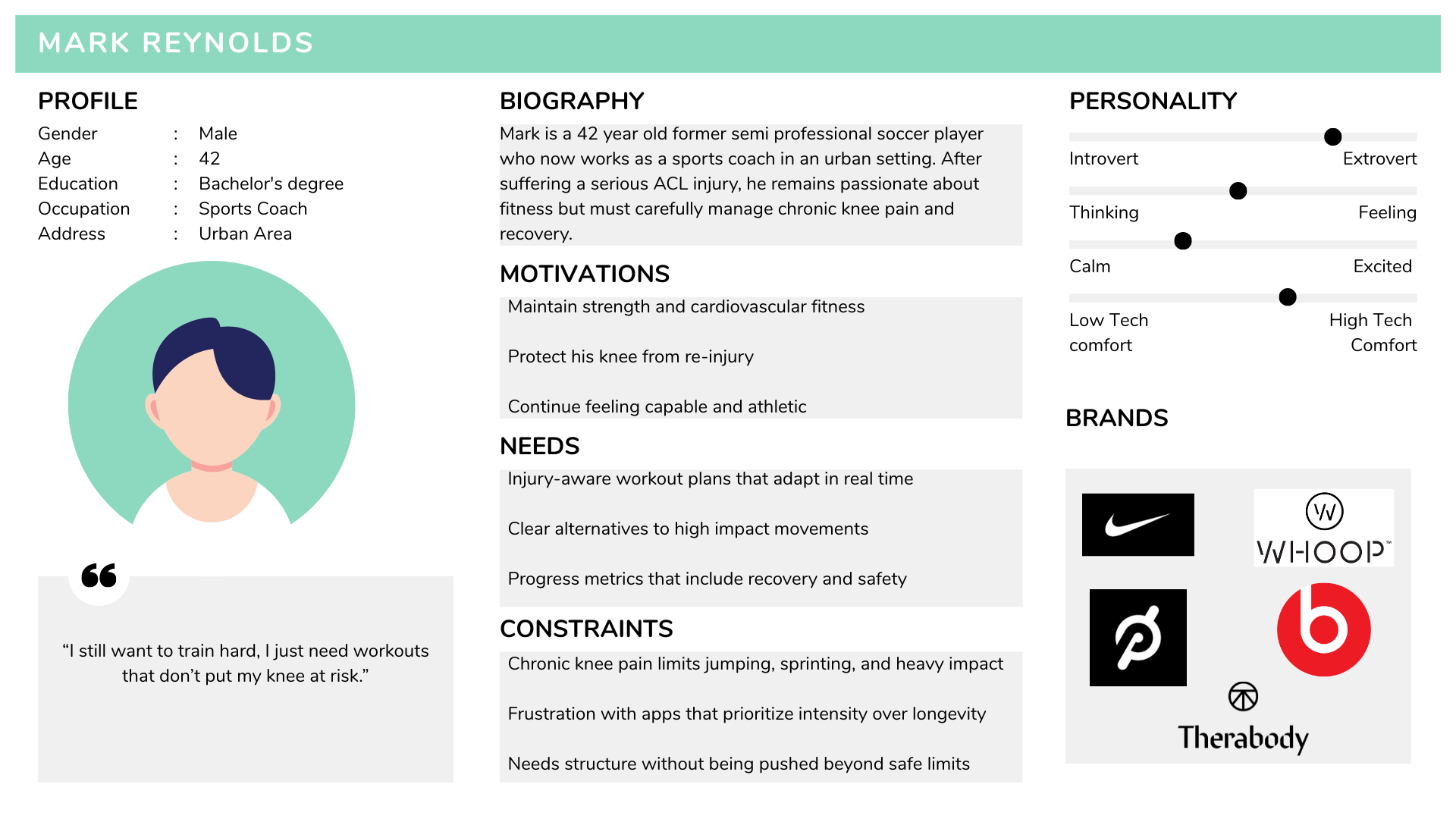
Based on user interviews, two personas were created to represent Adapt’s core users. These personas informed key design decisions and helped shape a pain aware, recovery first fitness experience that prioritizes safety, accessibility, and long-term engagement.
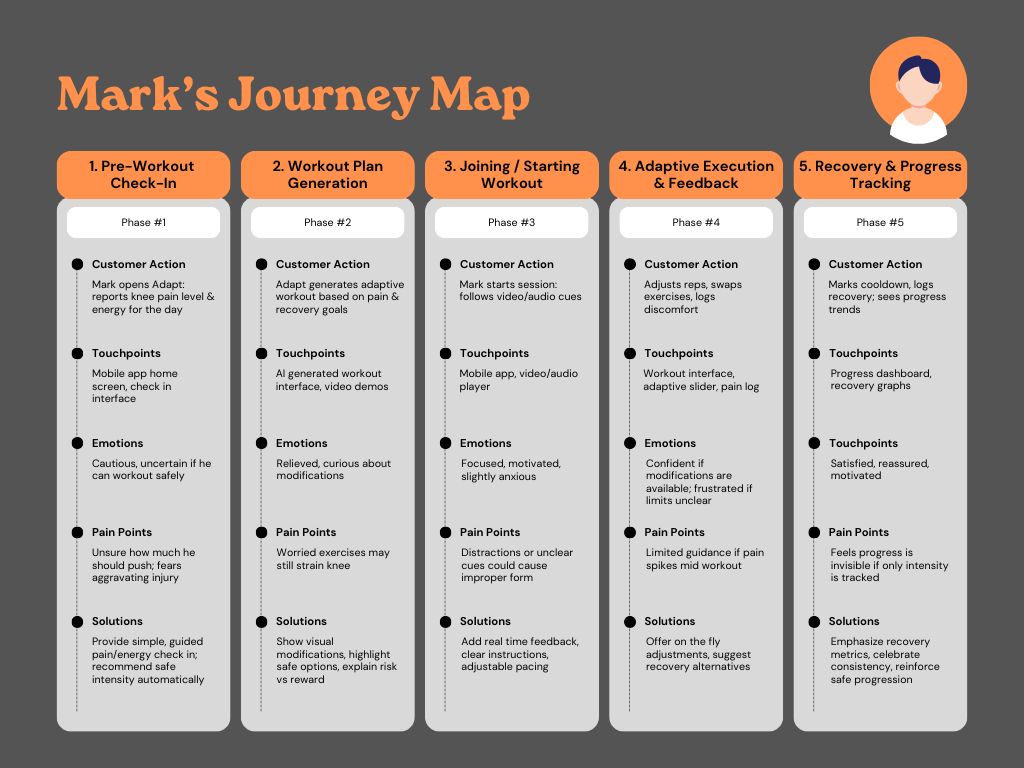
Journey Map
This journey map for Mark was created to illustrate how he would use Adapt in a real world fitness scenario. It highlights his experience moving through an adaptive workout from daily check-in to recovery and the challenges he faces when managing pain, modifying exercises, and staying active without risking re-injury.
Design Concept
Adapt is an adaptive fitness app I designed after learning how often traditional fitness apps fail people with injuries or chronic pain. Through user research, I focused on designing a pain-aware, recovery-first experience that adapts workouts in real time and validates rest as progress. The goal was to create a safer, more inclusive way for people to stay active long term.
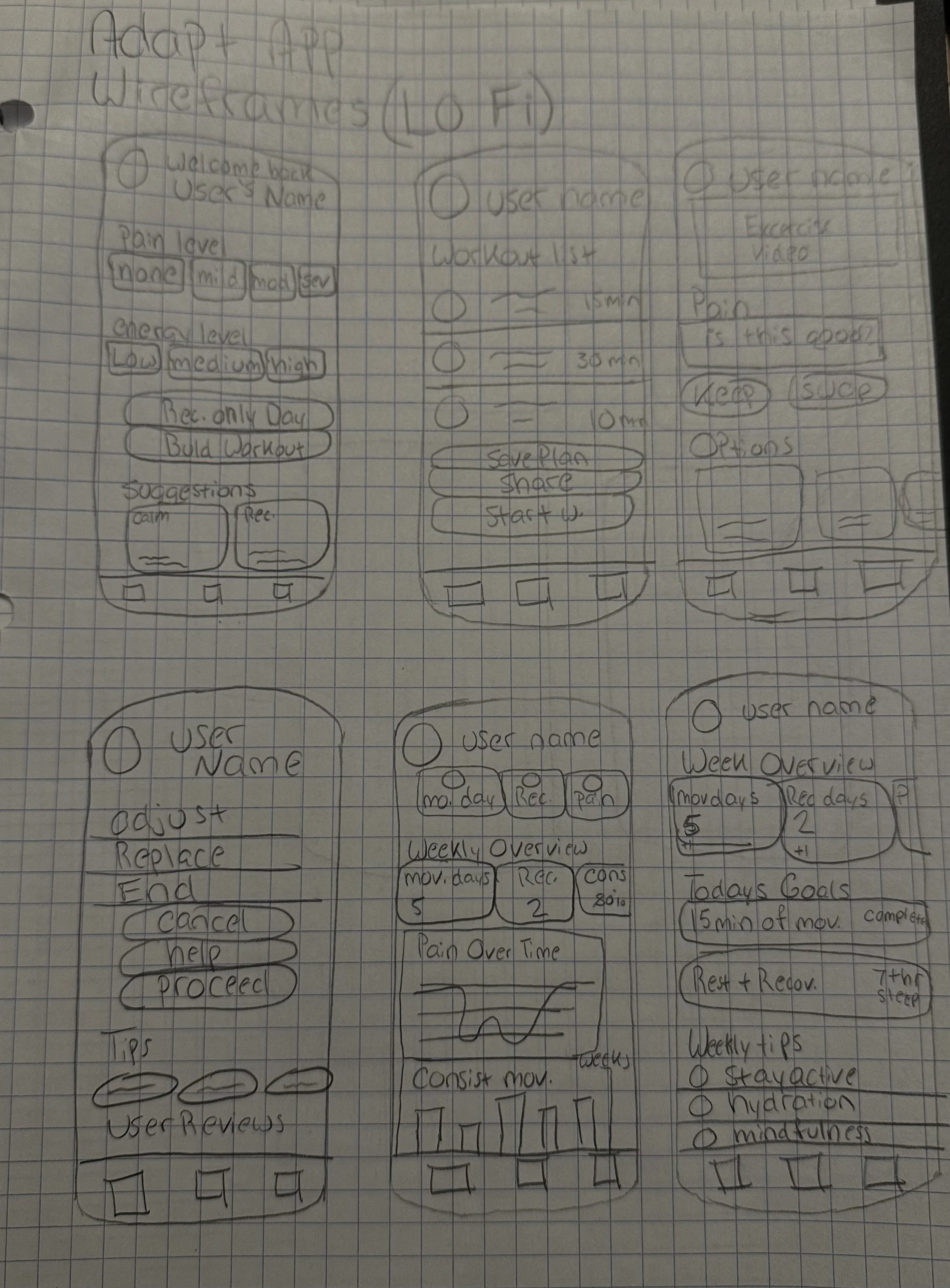
Wireframes
Prototype
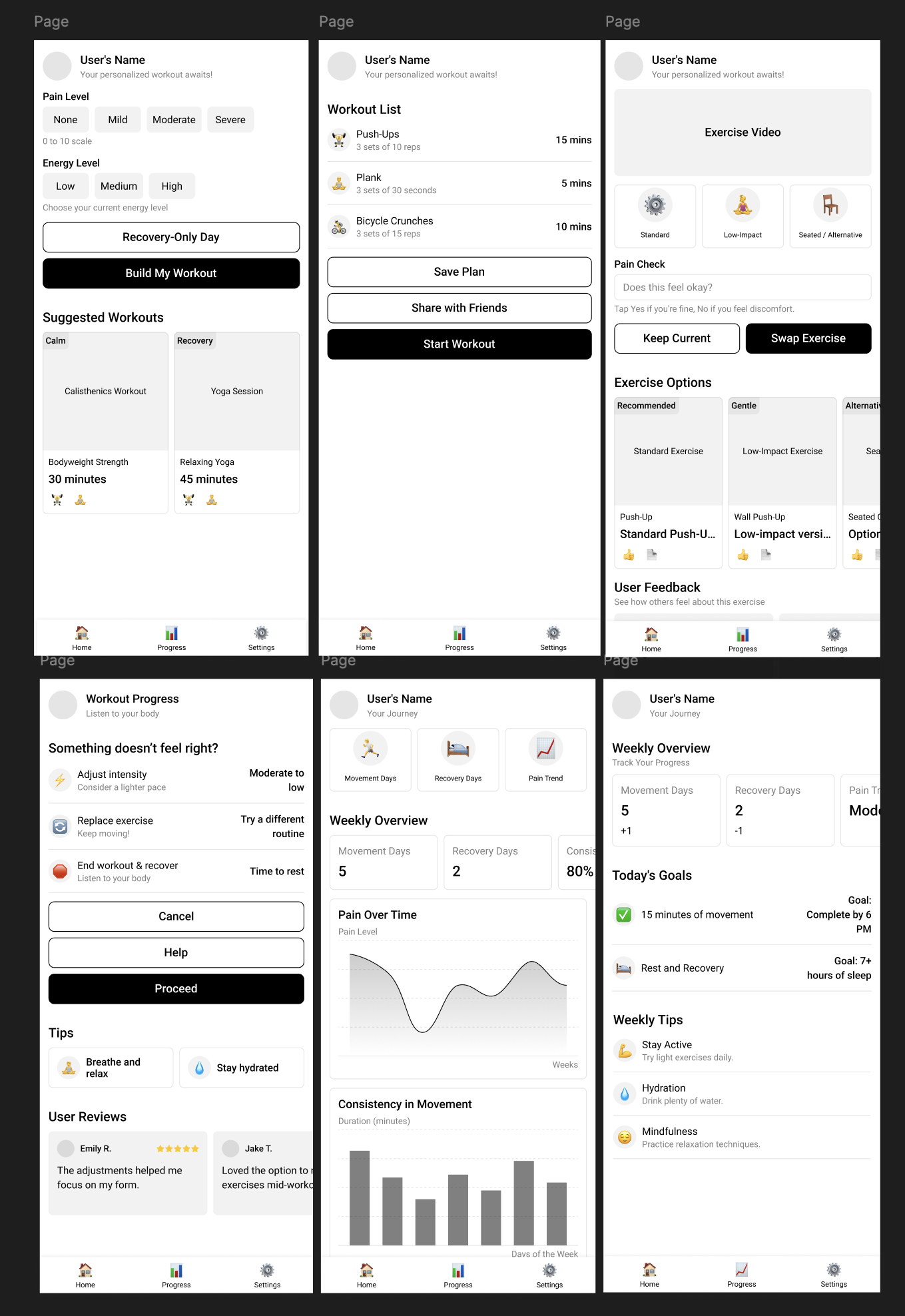
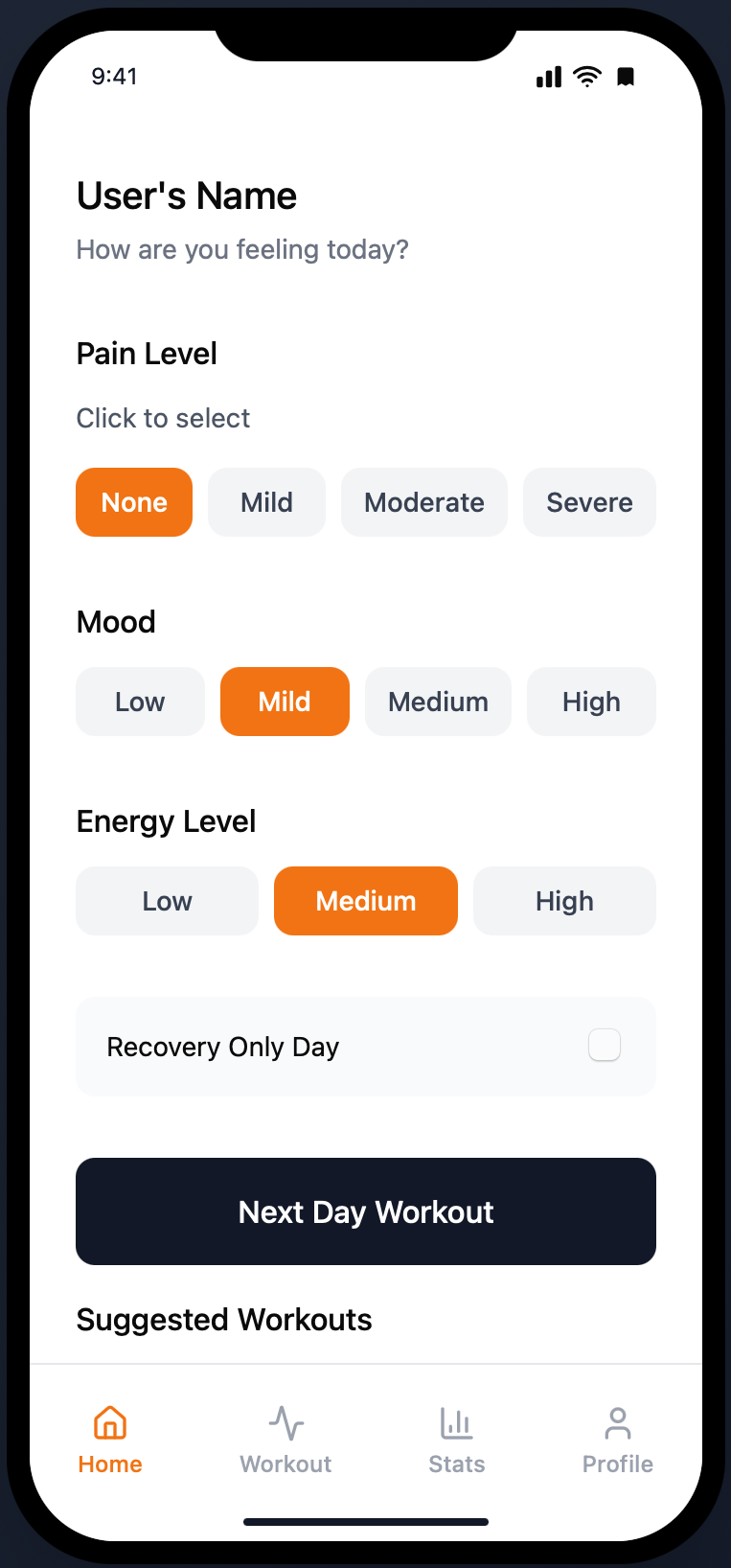
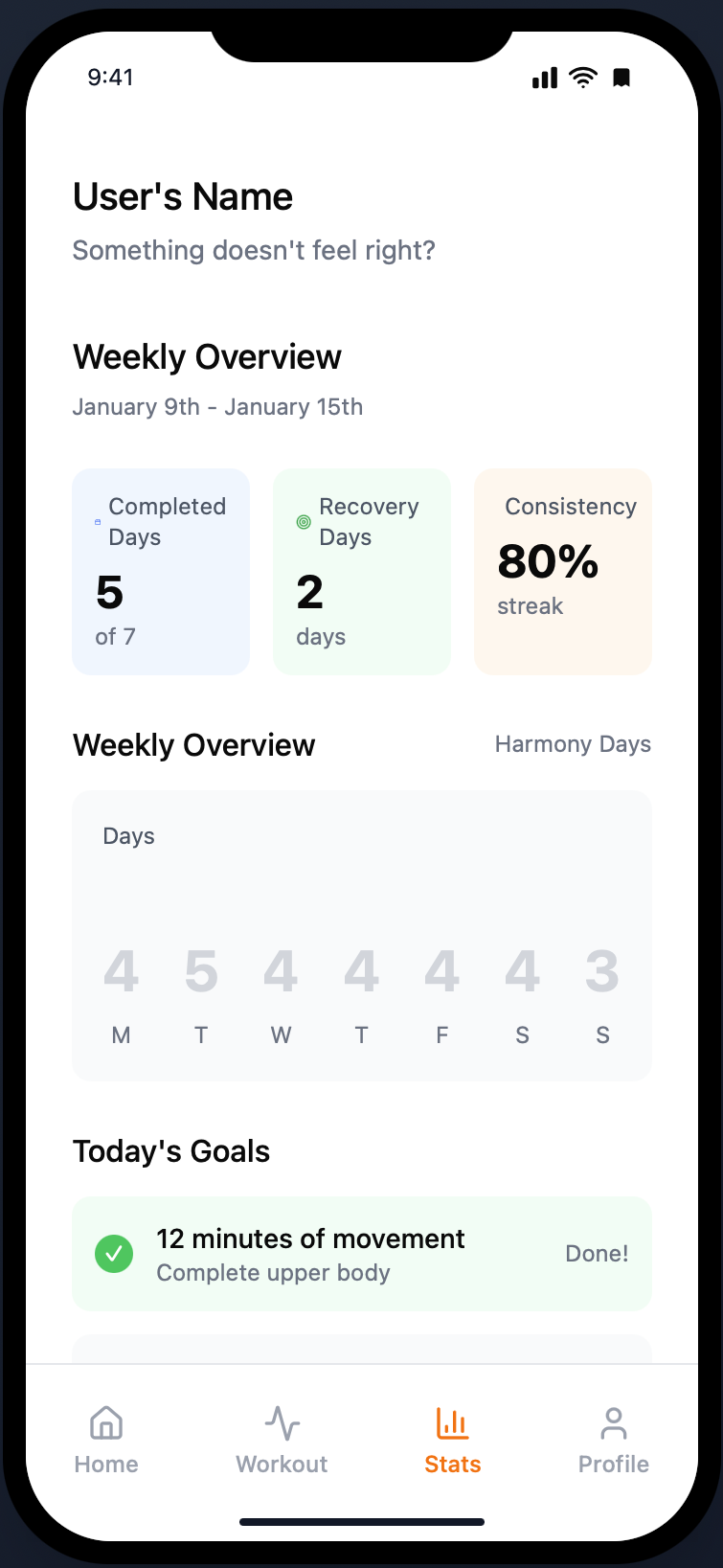
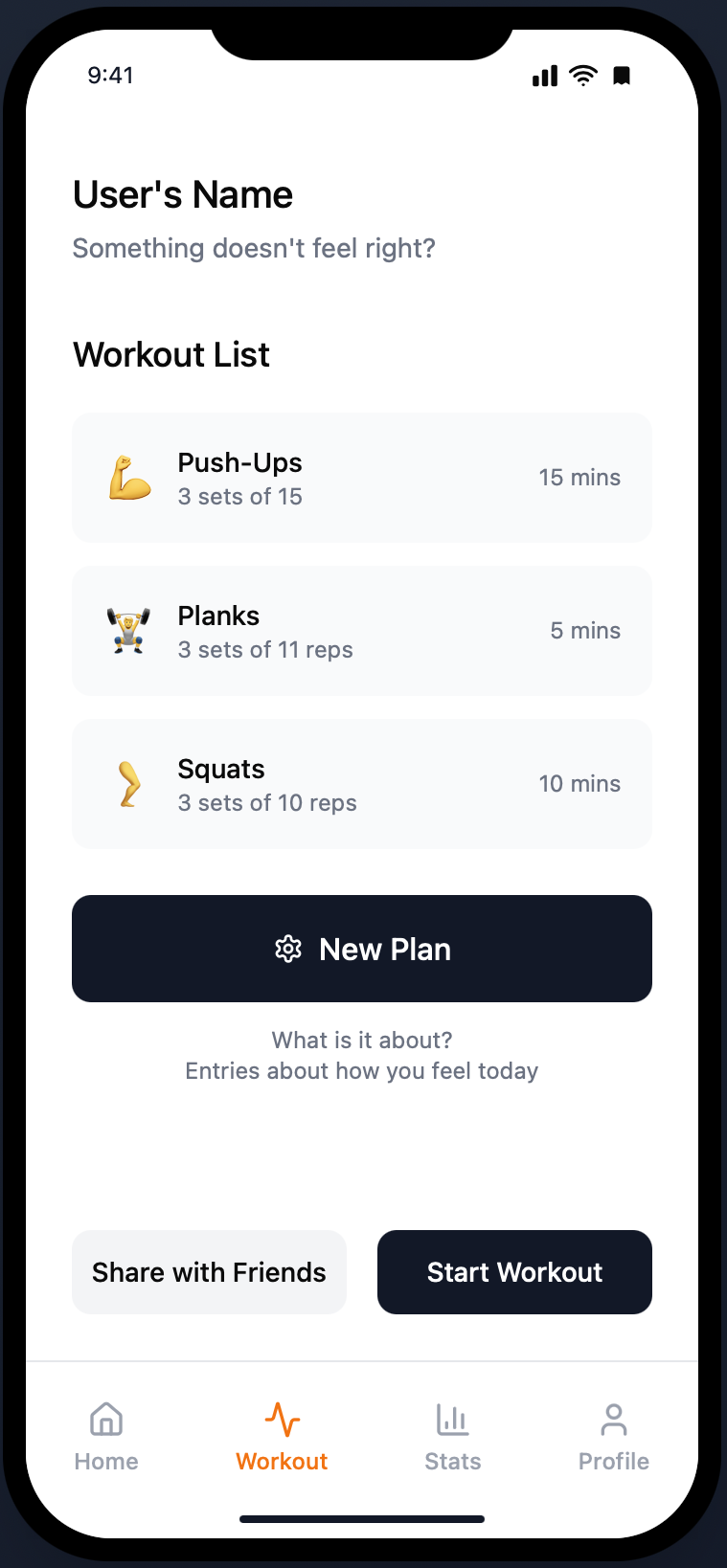
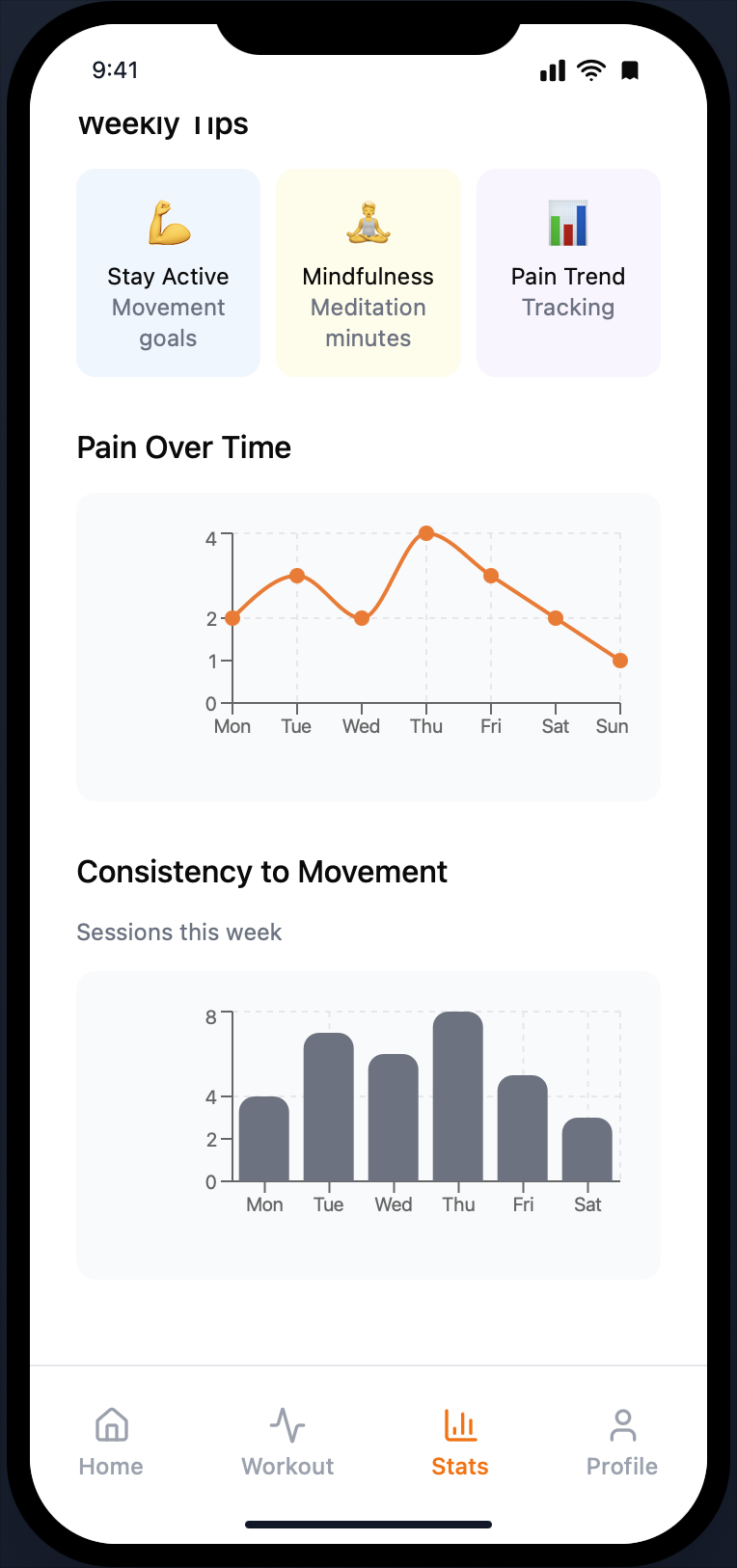
The Adapt prototype showcases a pain-aware, recovery-first fitness experience. Key features include daily check-ins, adaptive workouts, real-time exercise modifications, and recovery tracking. It demonstrates how workouts adjust to users’ pain and energy levels, making movement safe, accessible, and focused on long-term progress rather than intensity alone.
User Testing Notes
Participants were able to complete the daily pain and energy check-in with little guidance and understood how it shaped their recommended workout.
The adaptive workout plans felt supportive and personalized, with users responding positively to clearly visible modification options.
Users found it helpful to adjust or replace movements during a workout, though some expected stronger visual cues when discomfort increased.
Tracking recovery and rest resonated strongly, with users sharing that it made lighter days feel intentional rather than unproductive.
Navigation across the app felt clear and predictable, allowing users to move confidently between workout, recovery, and progress views.
The overall interface was described as calm and approachable, though a few users noted that primary actions like “Modify” and “Log Recovery” could stand out more visually.
Takeaways
Designing Adapt reinforced that fitness is not one-size-fits-all. The biggest takeaway was that treating pain and recovery as valid inputs not failures creates a more inclusive and sustainable experience. By prioritizing flexibility, safety, and emotional reassurance, Adapt shows how thoughtful UX can help people stay active long term instead of pushing them out when their bodies need something different.